
Can a 5-Gallon Bucket Really Stop Mosquitoes? BTI Trap Setup & Placement Guide
Build the viral black-bucket mosquito trap with Mosquito Bits (BTI), grass clippings, and smart placement — plus 3D printed rain-shield spacers and our fire-pit experiment (Part 1).

🧰 Tools for this repair
Quick links to the gear I use on this job.
- 5 Gallon Black Bucket
Price:$5.99
Order now atAffiliate link — no extra cost to you
- 5 Gallon Bucket Lid
Price:$21.95
Order now atAffiliate link — no extra cost to you
- Dunks
Price:$8.58
Order now atAffiliate link — no extra cost to you
Video Tutorial
Free download
3D Print Files
Print these models at home — STL for any slicer, 3MF when you want a saved project file.
Quick overview
Steps at a glance
Estimated time: 30 min
- 1
Gather supplies
Black 5-gallon bucket, Mosquito Bits (BTI), grass clippings, and a lid or rain shield that keeps rain from overfilling the trap while letting mosquitoes in.
- 2
Fill and dose with BTI
Add water and the correct amount of Mosquito Bits per label directions. BTI targets mosquito larvae — not adult mosquitoes already buzzing around.
- 3
Add grass clippings
Toss in a handful of fresh grass clippings so the water looks and smells like a natural breeding site female mosquitoes seek out.
- 4
Install the rain shield
Use a drilled lid, spacer, or 3D printed rain shield so heavy rain does not flush the trap or dilute the BTI dose.
- 5
Place traps on the perimeter
Set buckets in shaded, humid spots around the yard edge — not right next to your fire pit or patio where people gather.
- 6
Refresh and wait
Re-dose with BTI on the product schedule, keep organic matter from going rancid, and give traps several weeks before judging results.
Mosquitoes were ruining every fire pit night at our place. Swatting, smoke bombs, citronella candles — still getting eaten alive.
So I built two of the traps everyone on YouTube keeps talking about: a black 5-gallon bucket, Mosquito Bits (BTI), grass clippings, and a 3D printed rain-shield spacer of my own design.
This post matches Part 1 of the video — setup, science, and placement. Part 2 will cover whether they actually cut mosquito pressure around the fire pit after several weeks of running.
In this guide:
- What BTI is and how it works
- Why grass clippings go in the bucket
- Where to place traps (and where most people get it wrong)
- The rain-shield spacer idea
- What we are testing at our fire pit
The Problem: Adults vs. Larvae
Adult mosquitoes are what bite you at the fire pit. BTI does not kill adults on contact — it kills larvae developing in water.
So the bucket trap is a long-game play:
- Lure female mosquitoes to lay eggs in your bucket
- BTI kills the larvae before they hatch
- Over time, fewer new mosquitoes join the party
If you expect instant relief the night you set the bucket out, you will be disappointed. If you want fewer mosquitoes next month, this approach makes sense.
What You Need
| Item | Why |
|---|---|
| Black 5-gallon bucket | Dark color holds heat; standard “bucket of doom” format |
| Mosquito Bits (BTI) | Larvicide — follow label dosing |
| Grass clippings | Makes water smell like a real breeding site |
| Lid, holes, or rain shield | Keeps heavy rain from flushing the trap |
| Shaded perimeter spot | Where mosquitoes already want to lay eggs |
Optional: 3D printed rain-shield spacers (shown in the video) to control water level under the lid.
What Is BTI?
BTI = Bacillus thuringiensis israelensis, a bacterium used in Mosquito Bits, Mosquito Dunks, and similar products.
- Works on mosquito and black fly larvae
- Does not replace bug spray for adults buzzing around your chair
- Re-dose on the product label schedule — rain and evaporation dilute it
Read the label. More is not better, and treated water should not be your drinking source.
Step-by-Step: Build the Trap
1. Fill the bucket
Add water to your bucket — typically most of the way, leaving room for grass clippings and rain. Exact level depends on your lid or rain-shield design.
2. Dose with Mosquito Bits
Sprinkle Mosquito Bits per package directions for the volume of water you are treating. BTI needs to stay present in the water to kill larvae as they hatch.
3. Add grass clippings
Grab a small handful of fresh clippings from the lawn. They:
- Add organic matter mosquitoes recognize
- Help the water look like a puddle or ditch, not a sterile bucket
- Break down over time — refresh clippings when the trap starts smelling wrong or looks stagnant
4. Cover with a rain shield or vented lid
Heavy rain can overflow the bucket and dilute BTI. In the video I use 3D printed spacers under the lid so:
- Rain does not instantly overfill the trap
- There is still access for mosquitoes to reach the water
- The setup survives summer storms better than an open bucket
You can drill a standard bucket lid or improvise — the goal is controlled water level, not a sealed container.
5. Place it — this is where most people mess up
Do not set the trap next to your fire pit, patio, or back door.
That invites egg-laying activity toward where humans hang out. You want traps on the perimeter of the yard in shaded, humid spots — along tree lines, under fence shade, near gutter downspouts that stay damp, or other areas mosquitoes already use.
Think: intercept them before they reach the fire pit, not host the party beside the fire pit.
We placed two traps for our experiment and will report in Part 2 whether fire pit nights improved.
Our Fire Pit Experiment (Part 1)
We are running a real-world test — not a one-night demo:
- Two traps with BTI + clippings + rain shields
- Placed using the perimeter logic above
- Several weeks of runtime before we call it
Part 2 on The DIY Veteran YouTube channel will cover:
- Mosquito counts / subjective “bite pressure” at the fire pit
- Whether traps needed re-dosing after rain
- What we would change for next season
Watch the full build and placement walkthrough in the video embed above.
Common Mistakes
Trap right by the seating area
Convenient for you to check — bad for keeping mosquitoes away from guests.
Open bucket with no rain plan
One thunderstorm can overflow and waste your BTI dose.
Expecting same-day results
Adults already in the yard keep biting until they die off. BTI shrinks future hatches.
Never refreshing clippings or BTI
Organic matter rots; rain dilutes larvicide. Treat it like maintenance, not set-and-forget forever.
3D Printed Rain-Shield Spacers
In the video I show a custom spacer design that sits between the bucket and lid to manage water level when it rains.
STL download link will be added here when the files are published — for now, see the video for dimensions and fit, or use a vented lid with a fixed fill line marked on the bucket.
Supplies Checklist
- Black 5-gallon bucket
- Mosquito Bits (BTI) — label dosing for your water volume
- Fresh grass clippings
- Lid, drilled cover, or rain shield
- Shaded perimeter location mapped out
- Calendar reminder to re-dose BTI after heavy rain
Final Thoughts
The viral 5-gallon bucket mosquito trap is not magic — it is larvicide plus smart placement. BTI handles larvae in the bucket; you handle where the bucket goes.
We will know how much it helped our fire pit after a few weeks. Until Part 2 drops, build yours using the steps above, keep traps on the yard edge, and manage expectations: fewer mosquitoes tomorrow starts with fewer larvae hatching today.
Questions or your own bucket results? Drop a comment on the YouTube video — I read them when planning Part 2.
Creator picks
Tools & products for this job
Gear I reach for on this kind of repair. Each links to my full review where available.
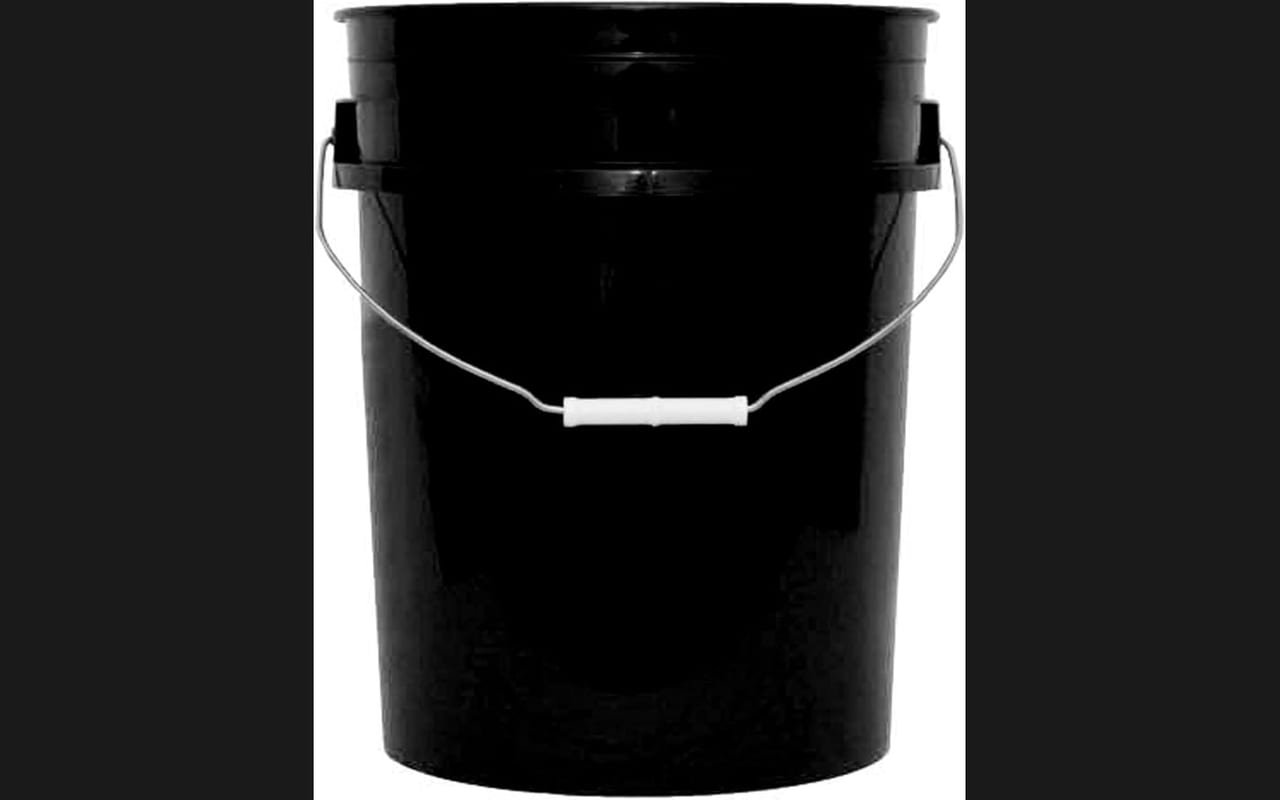
5 Gallon Black Bucket
Black Bucket for catching mosquitoes.
Price:$5.99
Affiliate link — no extra cost to you
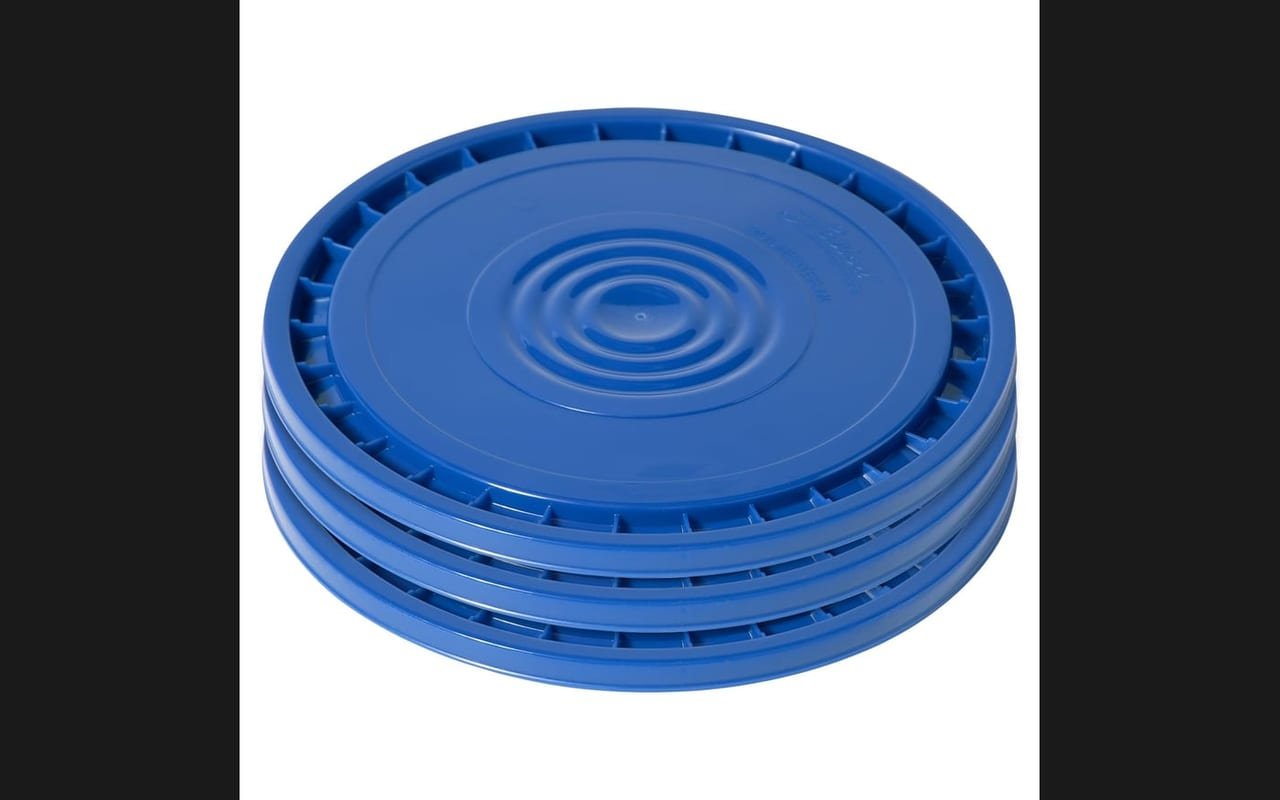
5 Gallon Bucket Lid
Meranti lid for making a mosquitoe trap
+ comes in many colors
Price:$21.95
Affiliate link — no extra cost to you
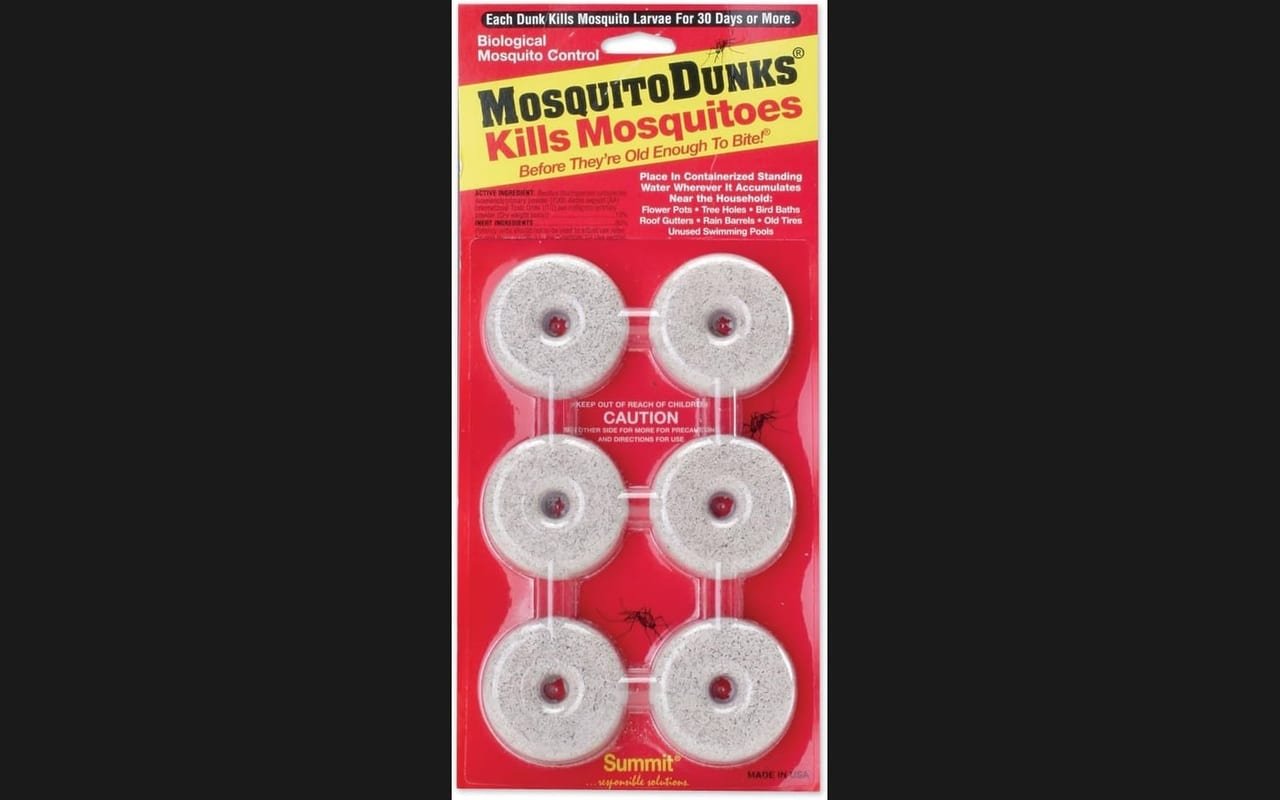
Dunks
BTI dunks for killing mosquitoes
+ Works for 30 days
Price:$8.58
Affiliate link — no extra cost to you
As an Amazon Associate, I earn from qualifying purchases at no extra cost to you. Links open Amazon's secure site — we never see your payment info.
Quick answers

