
No Spark? Diagnosing Ignition Problems on Small Engines
How to troubleshoot spark problems on lawn mowers, generators, and other small engines.

🧰 Tools for this repair
Quick links to the gear I use on this job.
- Spark Plug Tester
Price:$5.99
Order now atAffiliate link — no extra cost to you
- Digital Multimeter
Price:$18.39
Order now atAffiliate link — no extra cost to you
- B&S Coil
Price:$16.88
Order now atAffiliate link — no extra cost to you
Video Tutorial
Tools from this video
Lawn Mower Won't Start Toolkit
3 products in this list
Quick overview
Steps at a glance
Estimated time: 45 min
- 1
Check the Spark Plug
✅Remove the spark plug and inspect it. Fouling is the most common visual seen for faulty spark plugs. Fouling is when the spark plug gets oil or fuel on it, and it eventually shorts out. Here are some pictures of fouling.
- 2
Safety Tip
🚨Be careful testing with this wire off, because it is the only way to shut down the mower safely!!!----If this does occur and you can’t stop the engine from running, use a plastic bag around air filter to snuff it out and shut it down immediately!🚨
- 3
Prevent Future Spark Issues
Keep your mower clean, change spark plugs yearly, and store it with fresh fuel. Try to keep the mower out of the rain and in a shed or garage.
If your engine turns over but won’t fire, first check fluid levels. If all is ok, then Spark is the first place to check. This guide walks through the common causes and the exact tests to use.
- Check the Spark Plug
- Safety Tip
- Prevent Future Spark Issues
In this guide, I’ll show you:
- Check the Spark Plug
- Safety Tip
- Prevent Future Spark Issues
Check the Spark Plug
✅Remove the spark plug and inspect it. Fouling is the most common visual seen for faulty spark plugs. Fouling is when the spark plug gets oil or fuel on it, and it eventually shorts out. Here are some pictures of fouling.

✅Replace the spark plug with a new one or a known good one.
✅Now use your spark plug tester, pull the cord, and observe if there is any spark.
✅Inspect the Ignition Coil.
A weak or damaged ignition coil will prevent spark. Look for cracks, corrosion, and loose wiring. The coil will be found under the top cover of the mower or engine. Just follow the spark plug wire. The coil is installed with 2 small bolts, and there is a gap between the flywheel and the coil. This gap should be .006-.014. You can check it with feeler gauges or a simple index card.
✅Test Wiring and Safety Switches.
There are safety switches that will stop the mower in the event the handle is released or if the engine is low on fluids. Ensure all fluids are at the correct level and use a multimeter on ohms with a continuity check to test the oil level switch.The kill switch goes directly to the coil it is a small wire, usually on the side, that will short the coil to ground to stop the engine in an emergency or just normally.
Safety Tip
🚨Be careful testing with this wire off, because it is the only way to shut down the mower safely!!!----If this does occur and you can’t stop the engine from running, use a plastic bag around air filter to snuff it out and shut it down immediately!🚨
Make sure the spark plug wire is seated properly.
✅What to Replace
Spark plug
Ignition coil
Ignition wire
Safety switch wiring
Prevent Future Spark Issues
Keep your mower clean, change spark plugs yearly, and store it with fresh fuel. Try to keep the mower out of the rain and in a shed or garage.
Tools for This Repair
These are the exact tools and products from my video list for this type of job — all in one place.
DIY Veteran Tips
One thing I’ve learned over the years is that patience and the right tools matter. Start with the basics, verify each system, and don’t skip the simple checks before buying parts.
For no spark problems work, slow and methodical beats rushing — especially when you’re diagnosing an intermittent problem.
Final Thoughts
Most no spark problems issues are fixable with a methodical approach. Use the steps above, grab the tools that match your repair, and take your time.
If you work through this guide and still hit a wall, you’ve at least narrowed down the problem — and that’s half the battle with no spark? diagnosing ignition problems on small engines.
Creator picks
Tools & products for this job
These are the exact tools from my video list — tested in real jobs, not random affiliate filler.
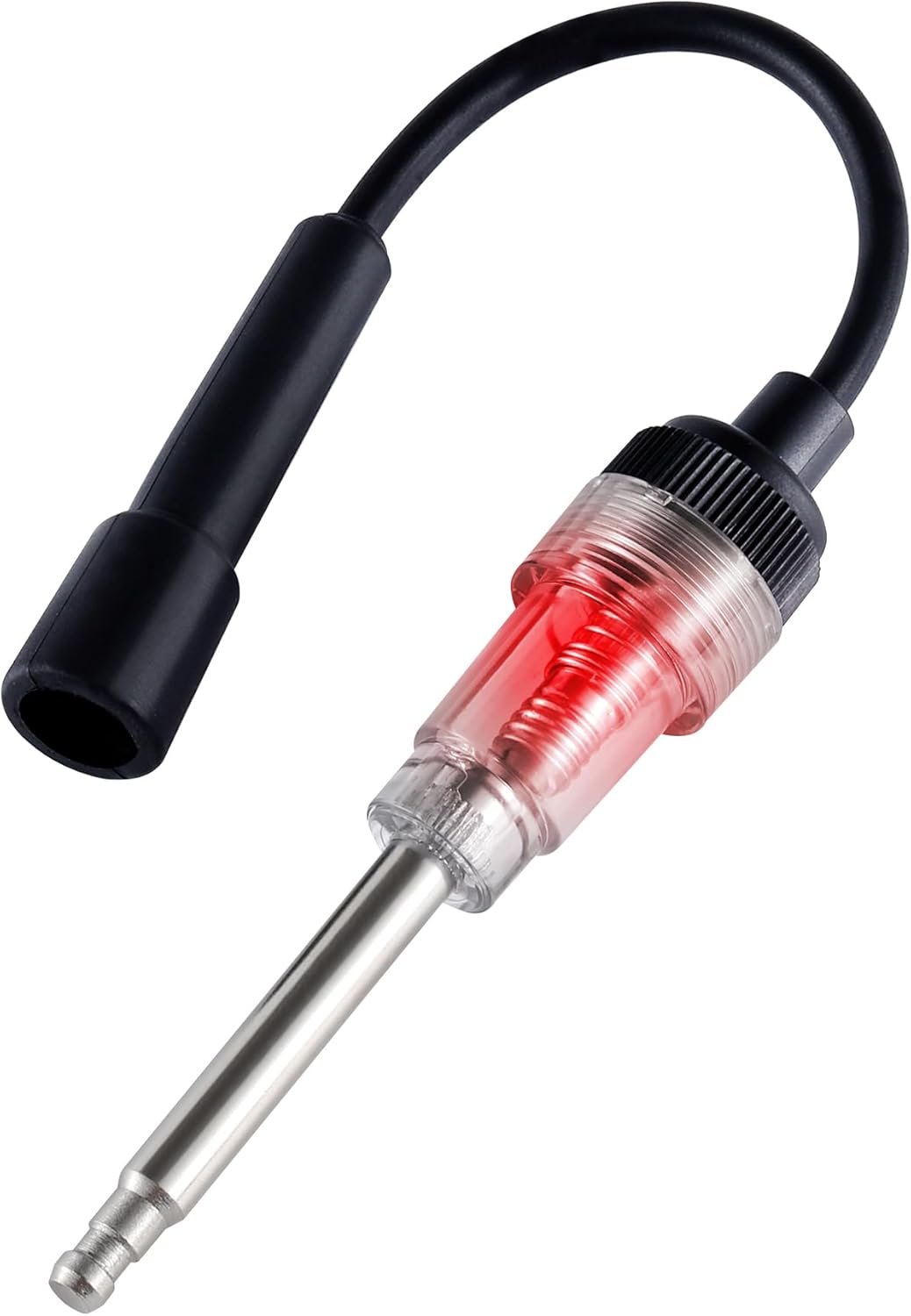
Spark Plug Tester
Quick and reliable way to check if your spark plug is firing. Essential for small engine troubleshooting.
+ Instant yes/no spark confirmation without guessing
+ Compact and lives in my mower troubleshooting kit
− Only checks spark — won't diagnose fuel or compression issues
Price:$5.99
Affiliate link — no extra cost to you
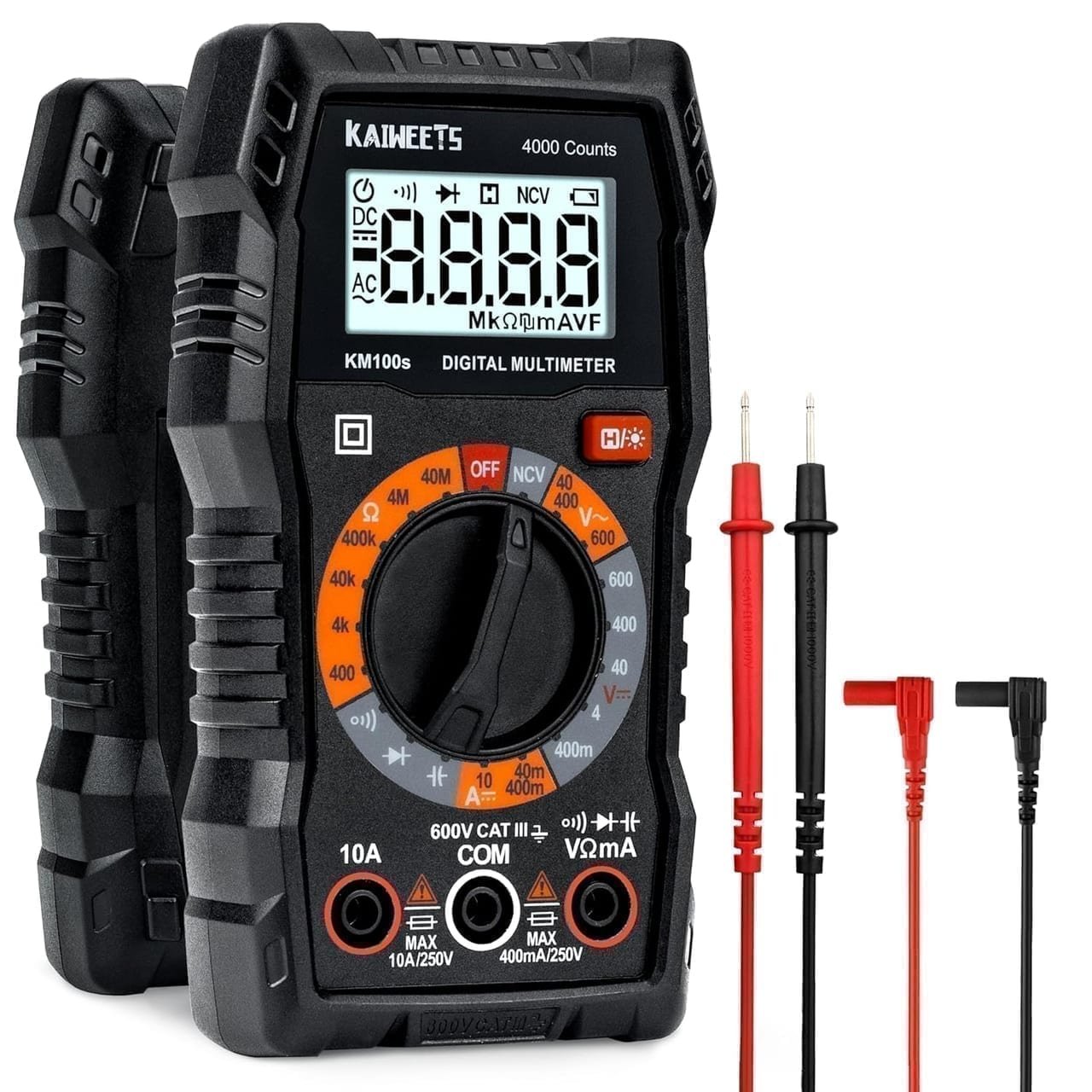
Digital Multimeter
Essential multimeter for voltage, capacitor checker, continuity, and resistance testing on engines and electrical systems.
Price:$18.39
Affiliate link — no extra cost to you
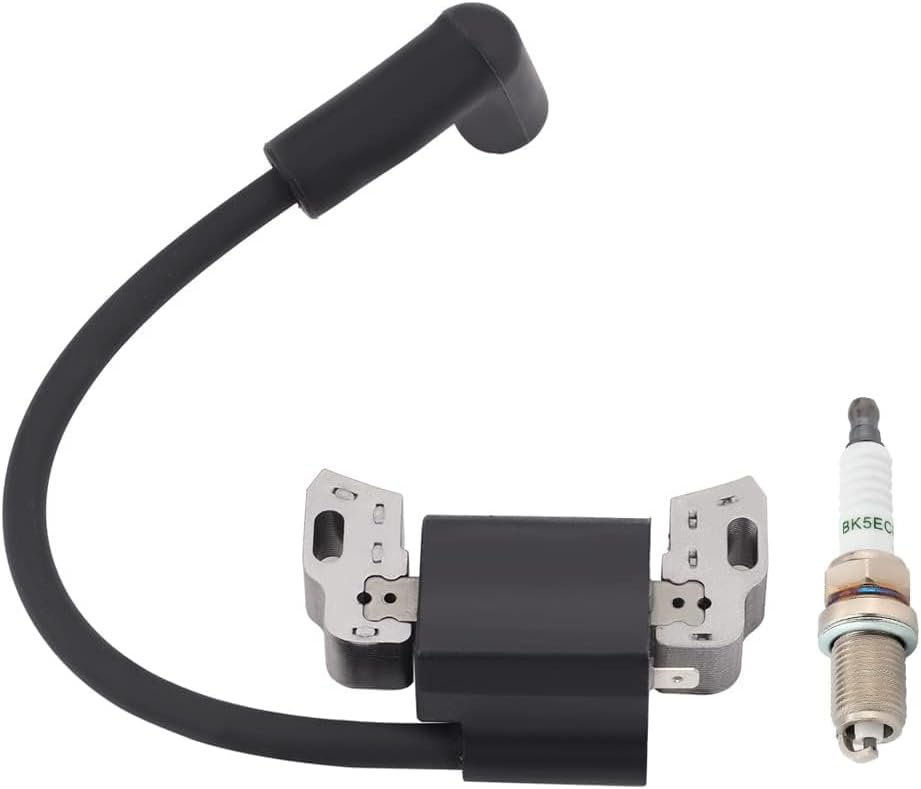
B&S Coil
This coil works with most Briggs and Stratton engines.
Price:$16.88
Affiliate link — no extra cost to you
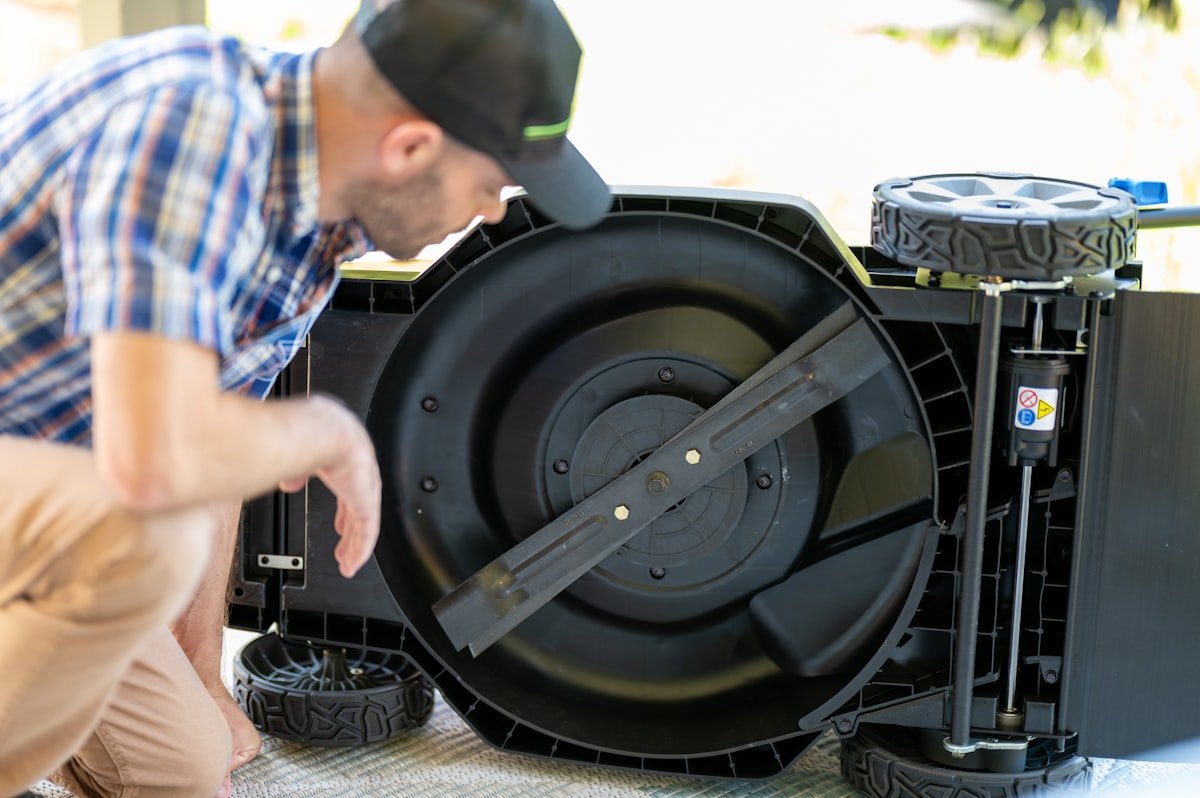
Lawn Mower Won't Start Toolkit
Every tool I reach for when a mower won't fire up — spark testing, fuel checks, and carb work. Matches my YouTube troubleshooting walkthrough.
As an Amazon Associate, I earn from qualifying purchases at no extra cost to you. Links open Amazon's secure site — we never see your payment info.
Quick answers
