
How To Overseed Your Lawn for Thick, Healthy Grass
Overseeding is one of the easiest ways to thicken a thin lawn, fill bare spots, and improve grass health without starting over. Step-by-step timing, tools, watering, and mistakes to avoid.

🧰 Tools for this repair
Quick links to the gear I use on this job.
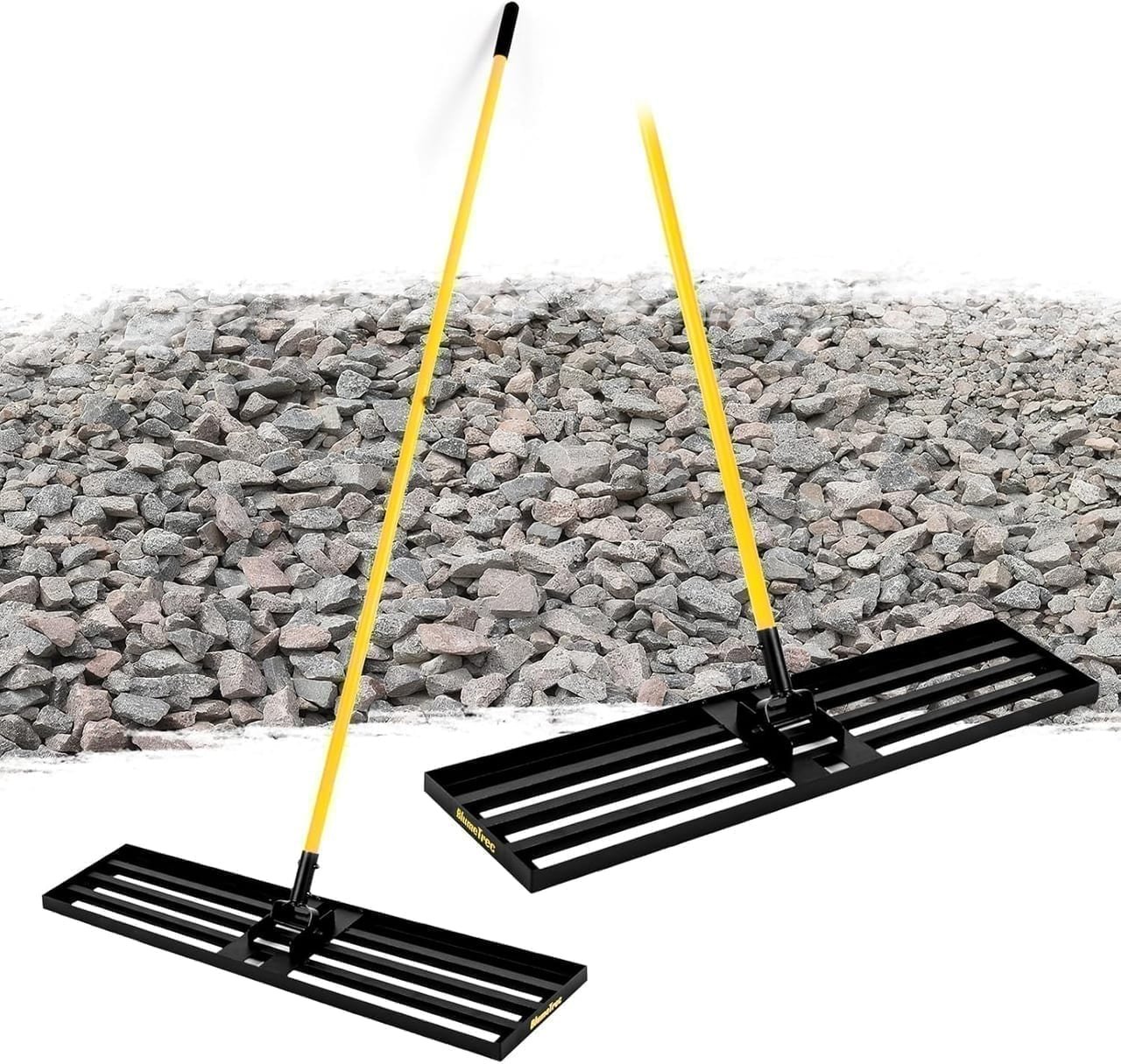
- Leveling Rake
Price:$59.99
Order now at - Turbo Oscillating Sprinkler
Price:$39.99
Order now at - Hose Quick Connectors
Price:$14.99
Order now at
Video Tutorial
How To Overseed Your Lawn for Thick, Healthy Grass
I'm filming this walkthrough for YouTube. Subscribe on the channel so you catch it when it drops.
Subscribe on YouTubeTools from this video
My Overseeding Tool List
9 products in this list
Quick overview
Steps at a glance
Estimated time: 3 hr
- 1
Mow the lawn short
Cut around 2 inches tall before overseeding so more sunlight reaches seedlings and seed contacts soil better.
- 2
Remove dead grass and debris
Rake or dethatch bare spots, thin sections, and heavy thatch so seed makes good contact with soil.
- 3
Spread the grass seed
Use a broadcast spreader and make two lighter passes instead of one heavy pass. Follow the seed bag coverage rate.
- 4
Cover seed with peatmoss
Covering the seed is just as important as watering it. If not done it will lead to birds stealing your investment
- 5
Water properly
Keep the top layer of soil consistently moist with 2–3 light watering sessions per day until grass establishes.
- 6
Avoid heavy foot traffic
Keep pets and foot traffic off the lawn until new grass is established — usually 7–21 days depending on grass type.
A thin, patchy lawn can make even a well-maintained yard look rough. The good news? You usually don’t need to tear up your entire yard to fix it.
Overseeding is one of the easiest and most affordable ways to thicken your lawn, fill in bare spots, and improve grass health without starting completely over.
In this guide, I’ll show you:
- When to overseed
- The tools I use
- Common mistakes to avoid
- Watering tips that actually work
- How to get better germination
What Is Overseeding?
Overseeding is the process of spreading new grass seed over an existing lawn to enhance its thickness and appearance.
Homeowners usually overseed to:
- Fill in thin spots
- Repair lawn damage
- Improve lawn color
- Reduce weeds naturally
- Strengthen weak grass
- Improve drought resistance
If your lawn looks tired after summer heat or heavy foot traffic, overseeding can make a huge difference.
Best Time To Overseed Your Lawn
Fall Overseeding (Best Option)
Early fall is usually the best time because:
- Warm soil helps germination
- Cooler air reduces stress
- Less weed competition
- Grass establishes before winter
Spring Overseeding
Spring can also work, but:
- Weeds compete harder
- Hot summer weather arrives faster
- More watering may be needed
Signs Your Lawn Needs Overseeding
Your lawn may benefit from overseeding if you notice:
- Thin grass coverage
- Bare patches
- Soil visible through grass
- Uneven color
- Weak growth
- Weeds taking over
A healthy lawn should appear thick, green, and consistent across the yard.
Tools I Use for Overseeding

Set Product list slug and Tools in the Details panel to show buy buttons and the sticky sidebar. Link to your reviews in the body like this:
Broadcast Spreader
A spreader helps apply seed evenly and prevents over-seeding.
👉 See my Broadcast Spreader pick
Lawn Rake or Dethatcher
Removing dead grass helps improve seed-to-soil contact.
👉 See my Electric Dethatcher and Scarifier pick
Hose or Sprinkler
Consistent watering is critical during germination.
👉 See my Turbo Oscillating Sprinkler pick
Step 1: Mow the Lawn Short
Before overseeding, mow your lawn shorter than normal.
I usually cut mine around 1 in to 1.5 inches inches tall.
This helps:
- More sunlight reach seedlings
- Better seed-to-soil contact
- Reduced competition from existing grass
Tip: Bag heavy clippings if your lawn is thick.
Step 2: Remove Dead Grass & Debris
This is one of the most skipped steps.
Use:
- A lawn rake
- Power rake
- Dethatcher
Focus on:
- Bare spots
- Thin sections
- Heavy thatch buildup
- Compacted areas
Good seed contact with soil is everything. The electric dethatcher is the way to go. Start one direction and after you are done, rake it up and then pass the other direction for full length of area to dethatch.
I also recommend to scarify after dethatching. this gets rid of more thatch and improves seed to soil contact.
Step 3: Spread the Grass Seed
Use a broadcast spreader for even coverage.
I prefer making two lighter passes instead of one heavy pass.
Too much seed actually causes seedlings to compete against each other.
Always check the seed bag for recommended coverage rates. In most cases it will tell you to make a sencond pass in a different direction. Left to right and then up and down.
Step 4: Cover Seed With Peatmoss
Using the peatmoss roller, fill hopper with dried peatmoss. Using damp or wet material will ball up inside hopper creating major difficulty. Roll back and forth almost like mowing your lawn but you want to cover all the seed.
This will achieve the following:
- Keeps the seeds covered and retain heat.
- Deters birds from eating your investment!
- Gives the seeds and soil more nutrients to grow.
Step 5: Water Properly
This is where most overseeding projects either succeed or fail.
The goal is to keep the top layer of soil consistently moist.
I usually water:
- 2–3 light sessions per day
- Just enough to keep soil damp
- Avoid puddles or runoff
Once grass begins growing, transition to deeper watering less often.
Step 6: Avoid Heavy Foot Traffic
New seedlings are very delicate.
Try to avoid:
- Pets running through the yard
- Heavy foot traffic
- Mowing too early
Most lawns begin showing growth within 7–21 days, depending on grass type and weather conditions. Mowing should be avoided for 4-6 weeks if possible. The grass needs time to grow roots.
Common Overseeding Mistakes
Using Too Much Seed
More seed does not equal better results.
Overcrowded seedlings compete for water, nutrients, and sunlight.
Skipping Lawn Prep
Throwing seed on top of dead grass rarely works well. Good prep means better germination.
Poor Watering Habits
Grass seed dries out fast. Missing watering for even a day or two can hurt results significantly.
Overseeding During Extreme Heat
Hot summer temperatures make germination difficult. Cooler weather produces better success rates.
DIY Veteran Tips
One thing I’ve learned over the years is that patience matters with lawn repair.
Many homeowners expect instant thick grass — but healthy lawns take time.
I’ve had the best results by focusing on:
- Consistent watering
- Good soil contact
- Proper mowing height
- Quality grass seed
- Patience
Small improvements add up fast over a few weeks.
Final Thoughts
Overseeding is one of the easiest ways to improve a struggling lawn without completely starting over.
With proper lawn prep, consistent watering, good seed coverage, and a little patience, you can dramatically improve lawn thickness and appearance over time.
If your lawn looks tired, patchy, or weak, overseeding may be exactly what it needs.
Creator picks
Tools & products for this job
These are the exact tools from my video list — tested in real jobs, not random affiliate filler.
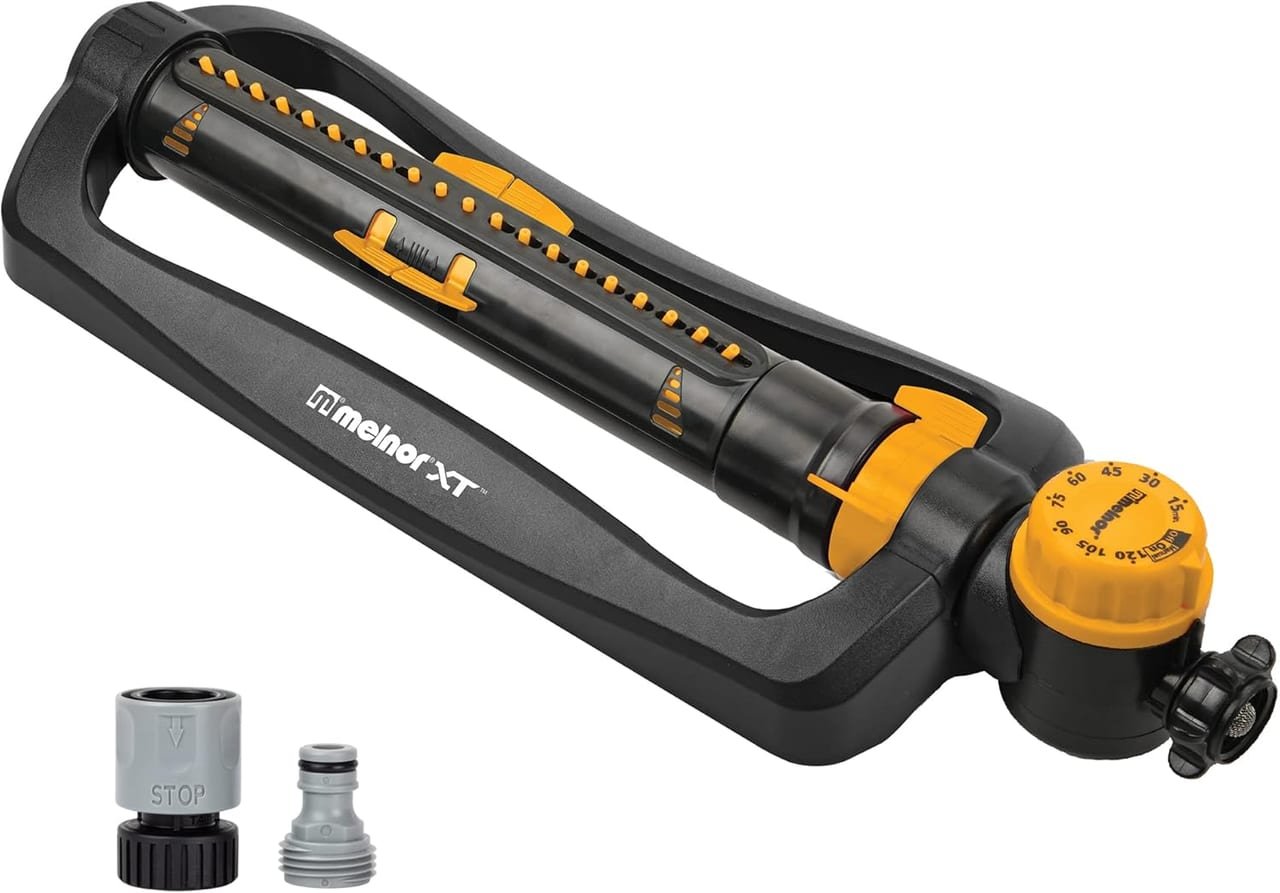
Turbo Oscillating Sprinkler
Water your whole lawn with this 4,000 sq ft turbo oscillating sprinkler with timer.
+ Use the timer and step away.
+ Multiple area settings for getting the best path of water.
Price:$39.99
Order now at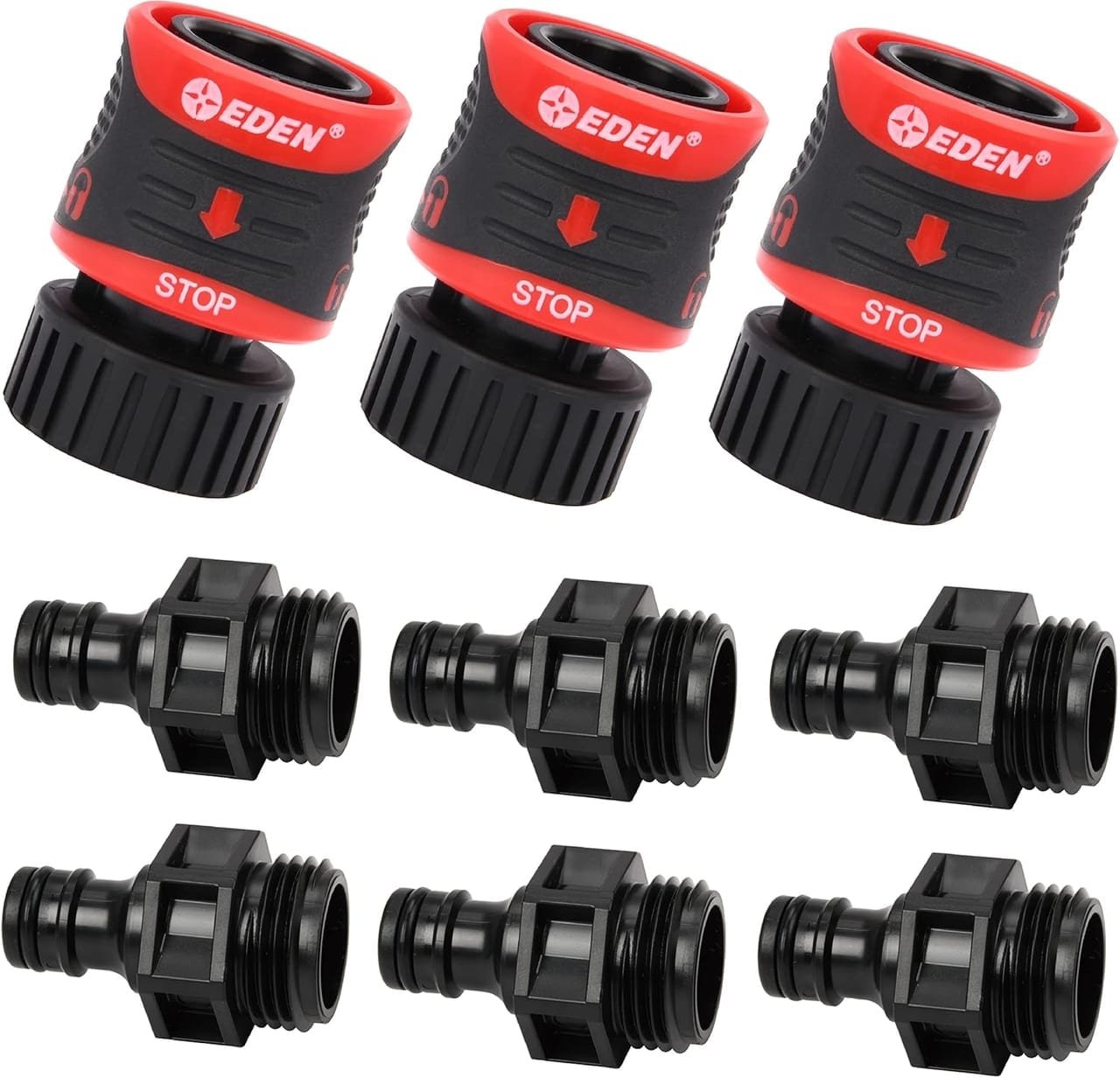
Hose Quick Connectors
Stop manually changing your hose attachments, use these quick connectors instead.
+ quickly change out yours with these
+ Fast on and off for all your attachments.
− Small leakage occurs.
Price:$14.99
Order now at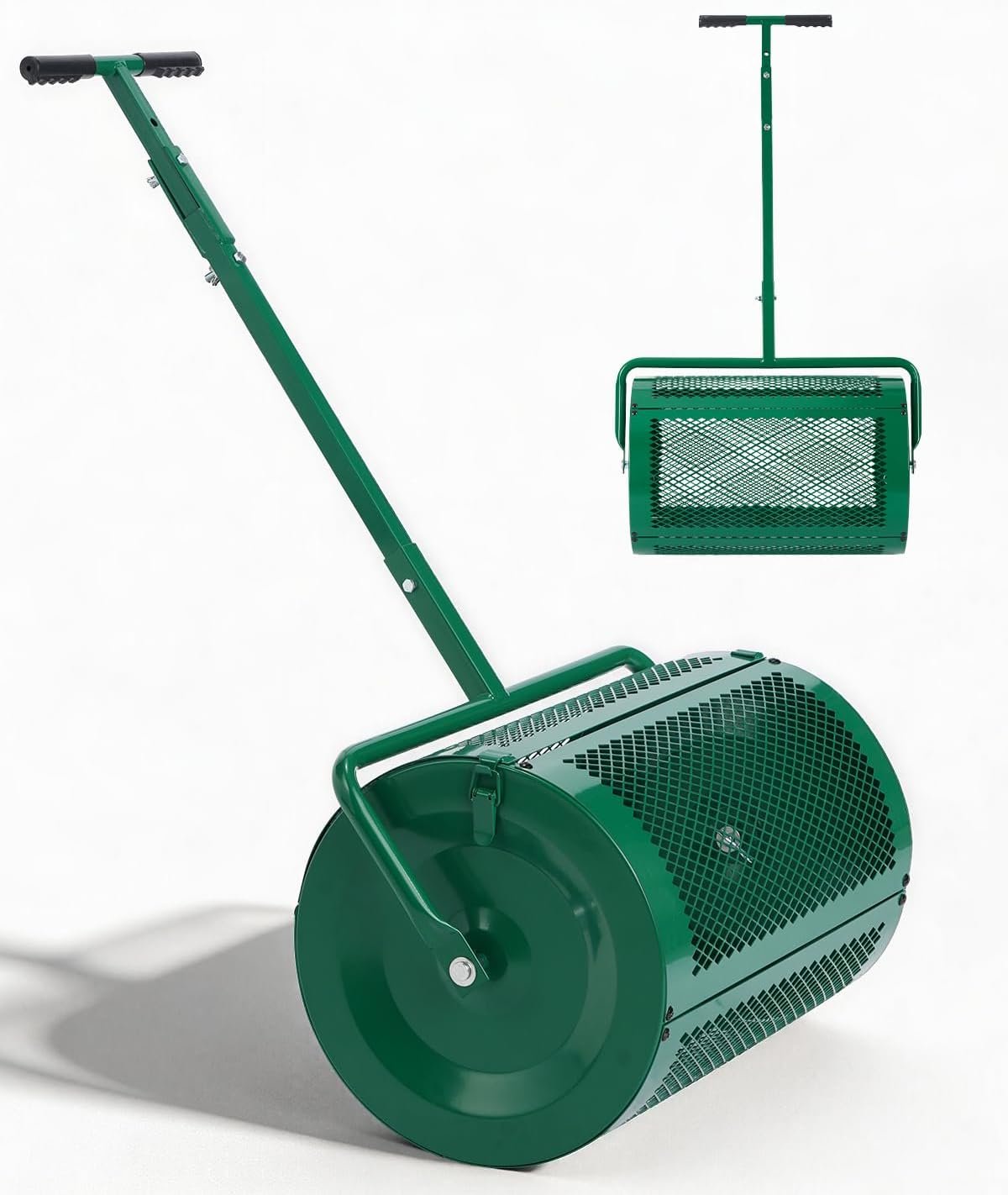
Peatmoss Roller
This peatmoss roller is specially designed to cover your grass seed with just the right amount of peatmoss, or your favorite topsoil. 👉 make sure it is dry or it will clump up into small balls, very annoying.
+ Easy to assemble and use.
+ Easily washed for cleaning
− creates small strips that dont get covered, because of the way the unit is designed for easy shipping.
Price:$61.99
Order now at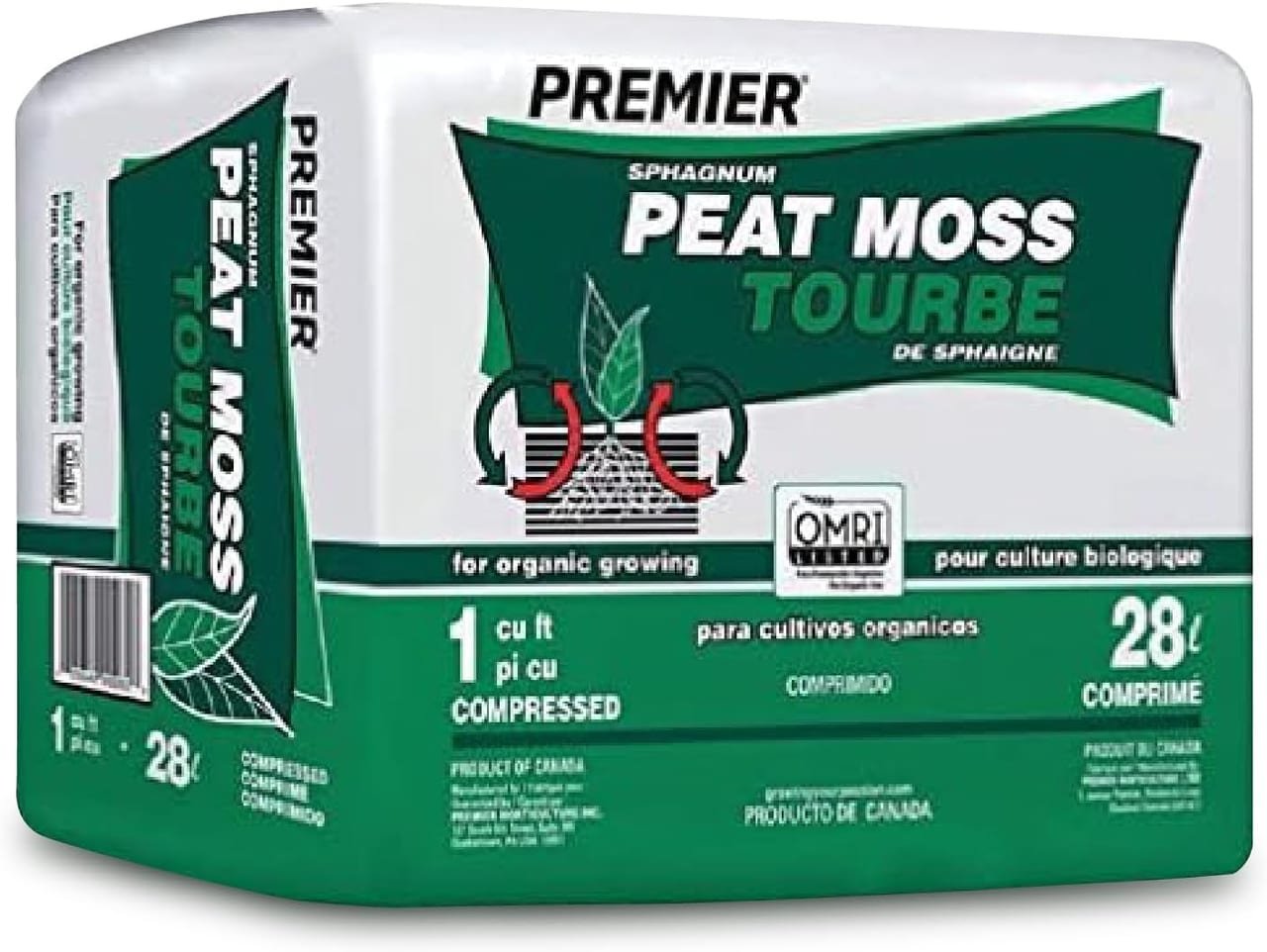
Peatmoss
1 cu ft of peatmoss compressed
+ This peatmoss was dry and perfect for the roller!
+ Provides the best cover for grass seed.
− Can be a bit heavy to move around this cube!
Price:$39.81
Order now at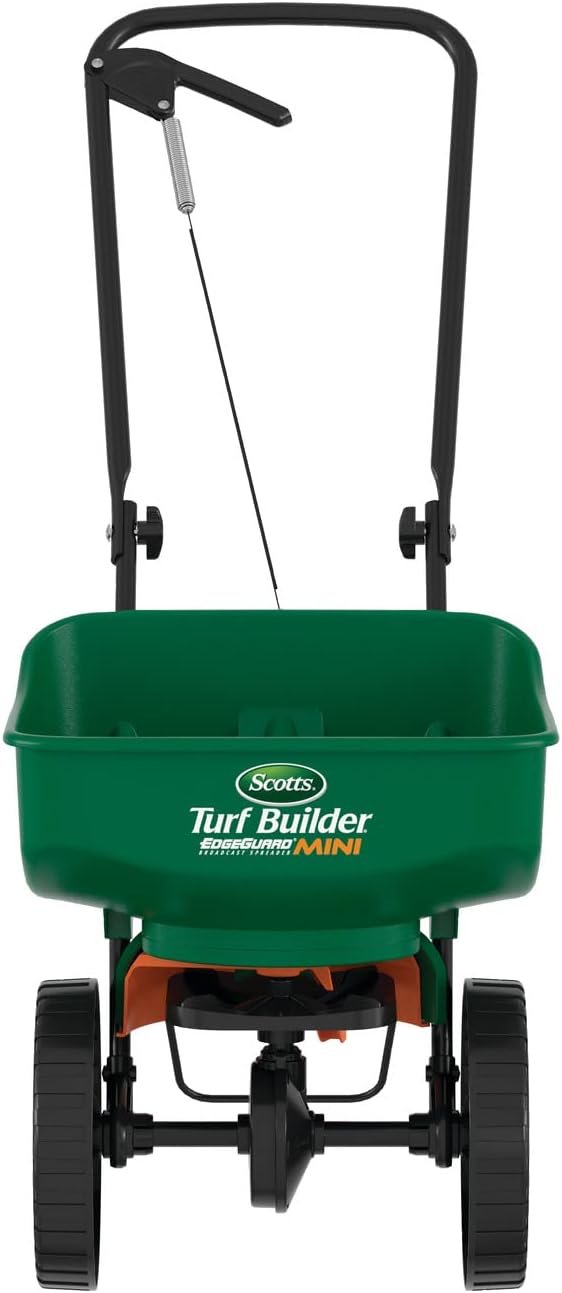
Broadcast Spreader
Scotts Turf Builder EdgeGuard Mini Broadcast Spreader - this Spreader is for Lawn Fertilizer, Weed & Insect Control, Grass Seed, and Ice Melt, Holds Up to 15,000 sq. ft. of Product. Most common spreader to be used.
Price:$59.97
Order now at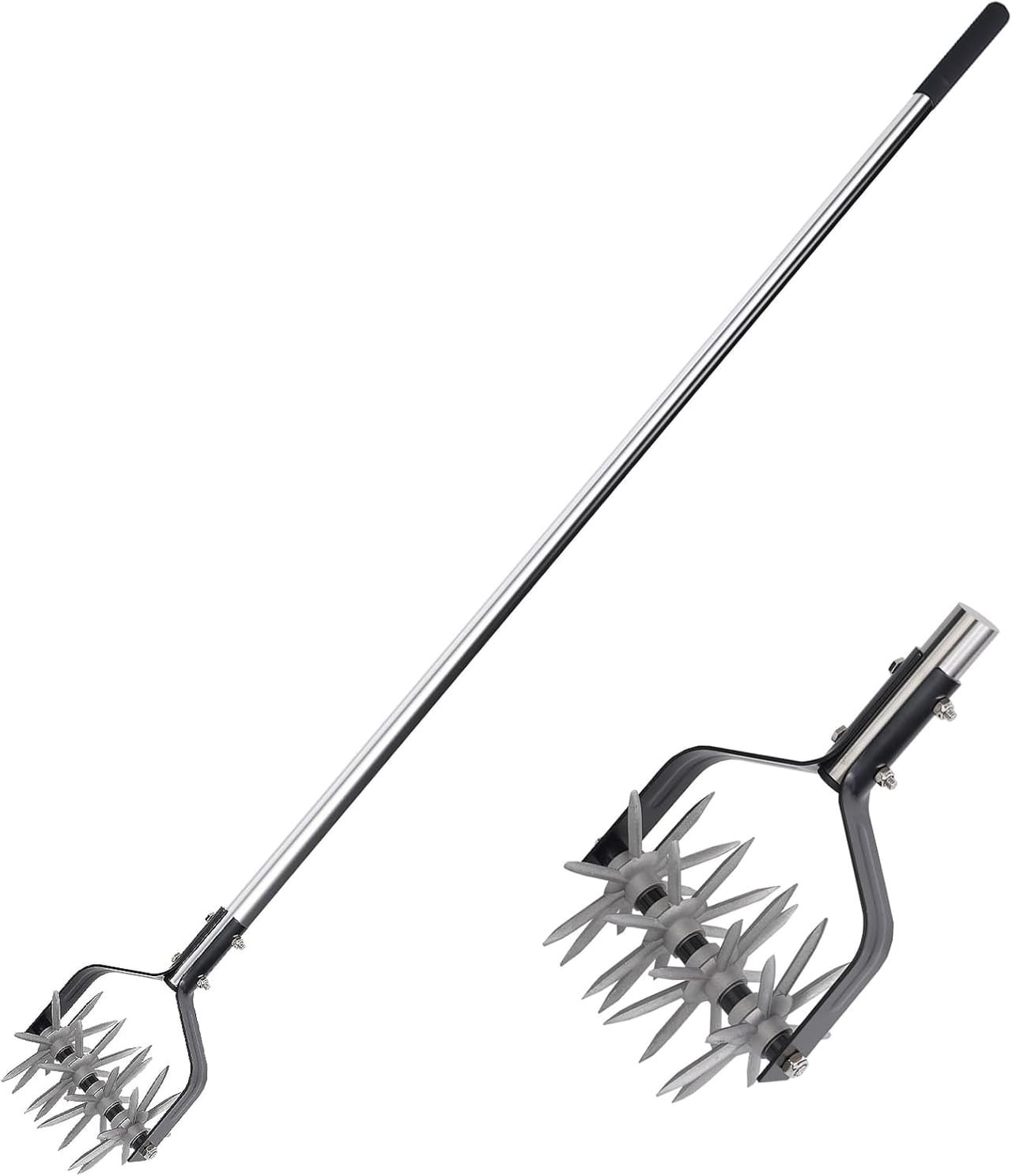
cultivator
This manual cultivator is just what you need to rough up those bare spots before seeding.
+ Easy installation of 3 poles.
+ Great sturdy poles and design
Price:$29.99
Order now at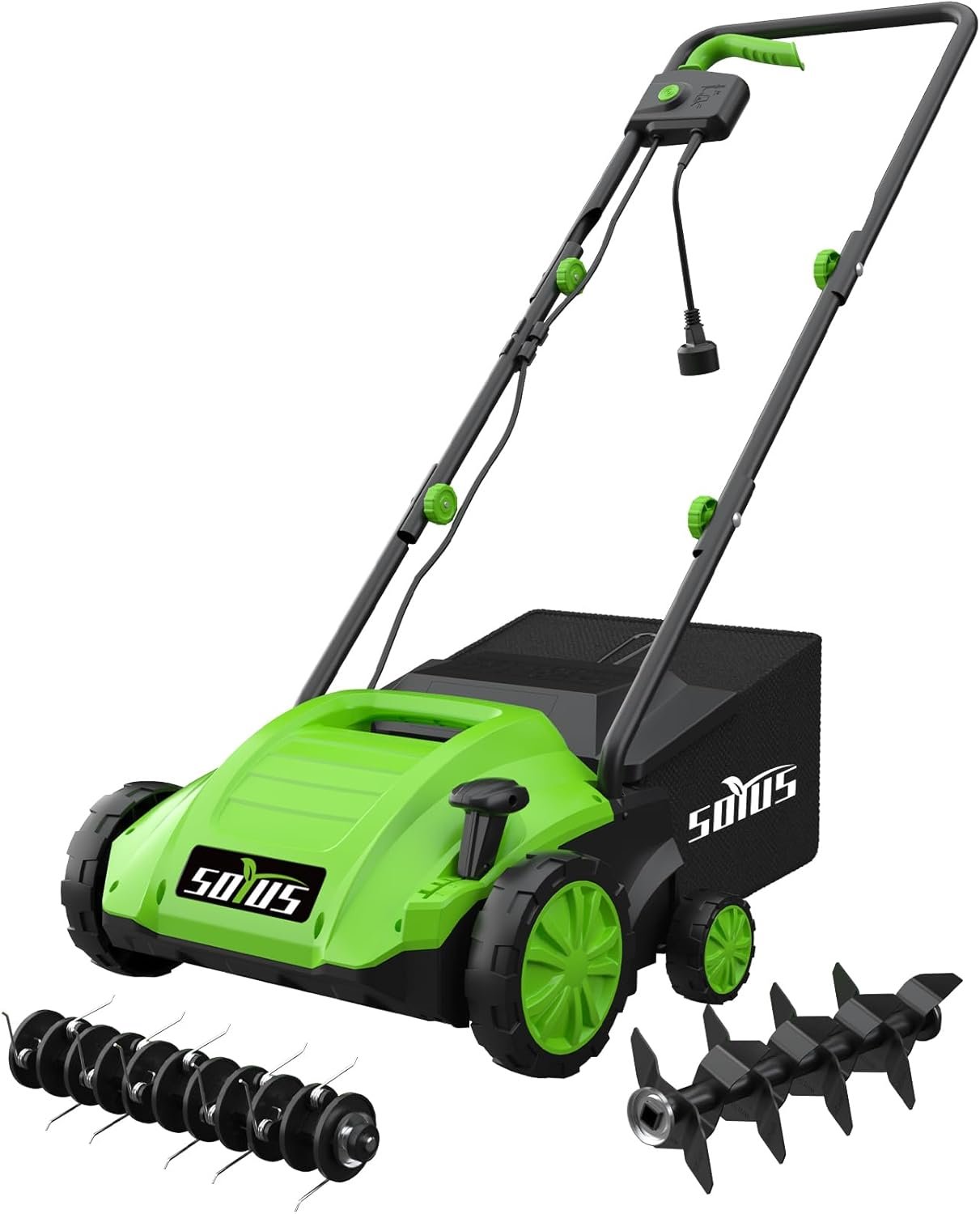
Electric Dethatcher and Scarifier
Soyus electric dethatcher and scarifier with bag. This unit is amazing for what it does and comes with both blades which are easily interchangeable.
+ Easy assembly with provided tools.
+ Cleans up with a spray of the hose
− the cord end falls out alot during use.
Price:$84.95
Order now at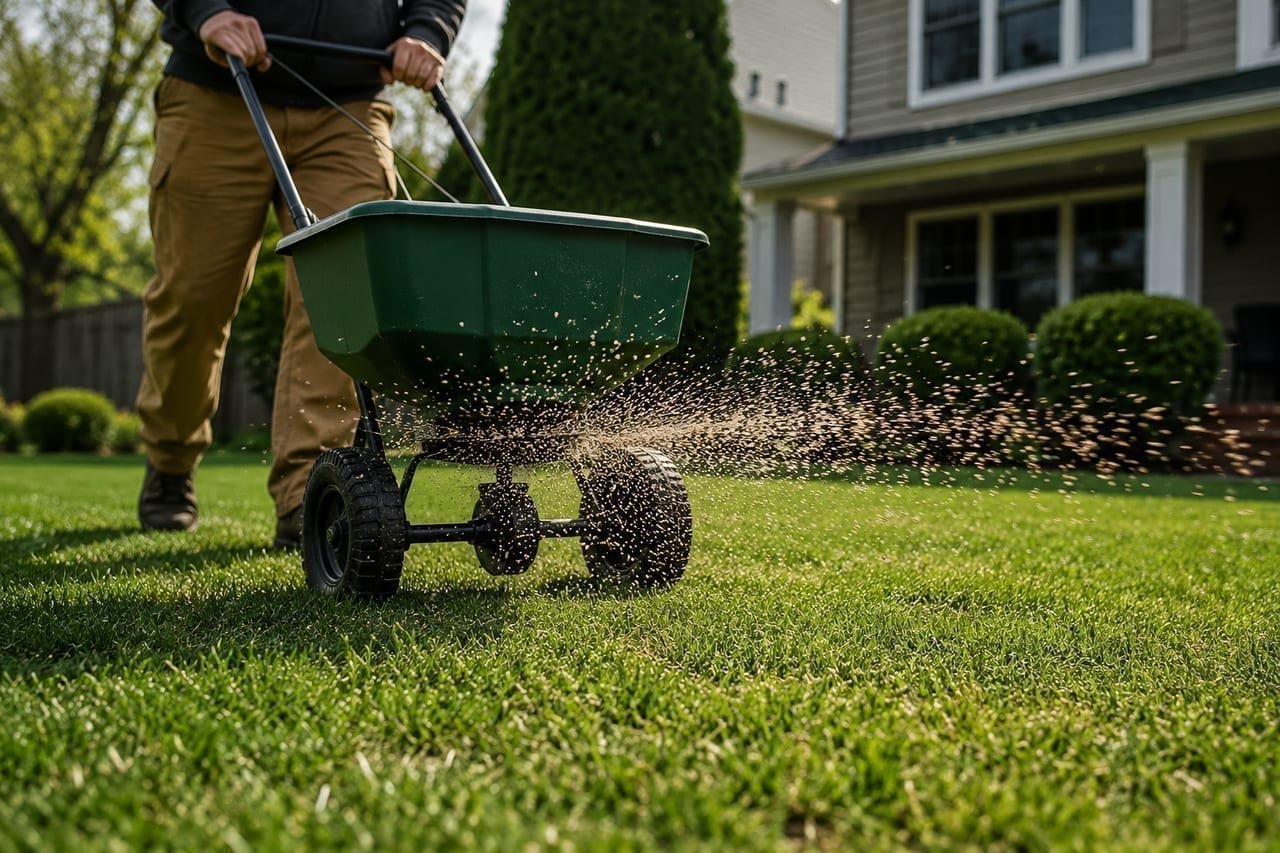
My Overseeding Tool List
Tools I use for overseeding, lawn leveling, and consistent watering during germination.
As an Amazon Associate, I earn from qualifying purchases at no extra cost to you. Links open Amazon's secure site — we never see your payment info.
Quick answers